The Skin Barrier: Your Body’s Natural Shield
Your skin isn’t just a covering—it’s the body’s largest organ and your first line of defense against the outside world. For people with eczema, especially atopic dermatitis (AD), the problem often starts with a weakened skin barrier. When this barrier doesn’t work properly, the skin becomes vulnerable to dryness, irritants, allergens, and infections.
So what exactly does the skin barrier do? Think of it like a brick wall:
- The “bricks” are skin cells (corneocytes).
- The “mortar” is made up of natural fats (lipids) that hold everything together.
This wall keeps the good things (like moisture) inside and the bad things (like germs and chemicals) outside. Let’s break down the key roles of the skin barrier:
1. Physical Barrier – Protection and Moisture Lock
- Defense against irritants: Blocks harmful substances like bacteria, chemicals, and allergens.
- Moisture retention: Prevents too much water from escaping, keeping the skin hydrated. Proteins like filaggrin help produce Natural Moisturizing Factor (NMF) that keeps skin soft and flexible.
- Strength & structure: Corneocytes and lipids give the skin toughness and prevent easy damage.
- UV protection: By-products of filaggrin also act as a natural sunscreen, shielding against harmful UV rays.
2. Chemical Barrier – The Acid Mantle
Your skin has a natural thin film called the acid mantle, with a slightly acidic pH (around 5.0). This acidity is important because it:
- Creates an environment that blocks harmful bacteria.
- Helps enzymes and skin lipids work properly.
- Keeps the barrier strong and healthy.
- The outer skin is rich in special fats like ceramides, fatty acids, and cholesterol, which are organized to lock in moisture and block invaders. Some fatty acids even fight off bacteria and viruses naturally.
3. Microbial Barrier – The Skin Microbiome
Your skin is home to trillions of friendly microbes that act like tiny bodyguards. They:
- Compete with harmful bacteria, preventing them from taking over.
- Produce natural antibacterial substances.
- Work together with your skin’s chemistry to keep infections at bay.
4. Immune Barrier – The Skin’s Watchdog
Beneath the surface, immune cells are always on alert. They:
- Detect harmful invaders and trigger defense responses.
- Communicate with skin cells to repair damage or fight off germs.
- Act as a biosensor, picking up signals from the environment (like changes in humidity, pH, or UV exposure) and adjusting the skin’s response.
Why This Matters for Eczema?
When the skin barrier is damaged, it’s like a wall with cracks—water escapes, irritants sneak in, and the immune system overreacts. This is what leads to the itch, dryness, and inflammation seen in eczema.
That’s why strengthening and repairing the skin barrier—through moisturizers, gentle care, and sometimes supplements—is at the heart of managing eczema.
How Skin Barrier Damage Triggers Eczema
A weak skin barrier is one of the main reasons why eczema (atopic dermatitis) keeps coming back. Think of the barrier as your skin’s “shield” — it locks in moisture and keeps out irritants, allergens, and germs. When this shield is damaged, the skin becomes dry, itchy, and more open to irritation and infection.
Unfortunately, many people (and even treatments) tend to focus only on calming the inflammation, while overlooking the root problem: barrier dysfunction.
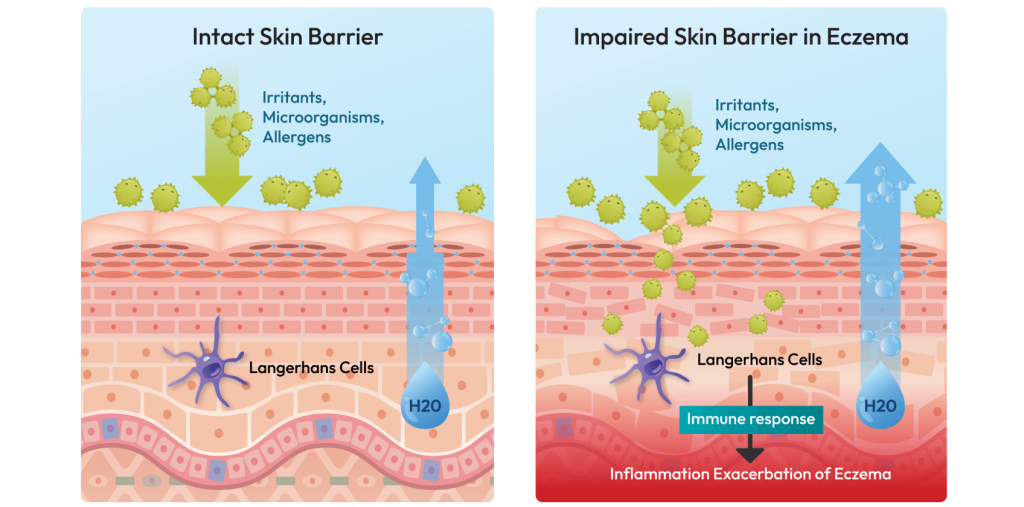
Figure 1. Comparison between intact skin barrier and impaired skin barrier in eczema.
What happens when the barrier weakens?
- Loss of protective skin oils (ceramides):
Healthy skin has natural oils that keep it soft and hydrated. In eczema, these oils are reduced and their quality changes, so the skin loses water more easily and dries out. This makes the surface “leaky,” allowing irritants and allergens to get in.
- Skin pH goes out of balance:
Normal skin is slightly acidic, which helps protect against germs and keeps the barrier strong. In eczema, the skin becomes less acidic, which activates enzymes that damage the skin and encourages bad bacteria like Staphylococcus aureus to grow.
- Filaggrin protein deficiency:
Some people with eczema have a genetic change that reduces filaggrin, a protein that helps the skin stay hydrated and slightly acidic. Without enough filaggrin, the skin becomes drier, more sensitive, and easier for irritants to penetrate.
- Microbial imbalance:
When the barrier is weak, “bad” bacteria like Staphylococcus aureus can take over, making the skin even more inflamed and itchy, while the “good” protective microbes are reduced.
Wrap-Up
When the skin barrier breaks down, it sets off a chain reaction — dryness, itch, irritation, and infection. That’s why restoring and strengthening the barrier isn’t just helpful, it’s the key to long-term eczema management. One promising way to support this is through oral supplementation with ceramides, which has been scientifically shown to improve skin hydration, reduce wrinkles, lighten pigmentation, and even ease eczema symptoms by repairing the skin’s natural shield from within.