
Everyday Habits to Manage Eczema

Managing eczema naturally is not just about calming flare-ups — it’s about building long-term habits that keep your skin barrier healthy, inflammation under control, and your body well-nourished.
1. How to Keep Your Skin Barrier Strong and Hydrated
A weak skin barrier is at the heart of eczema. Keeping it hydrated and protected is the first step to breaking the cycle.
- Daily Moisturizing: Apply moisturizer generously, even on areas that don’t look affected. Aim for at least 3–4 times a day. Look for creams or lotions with ceramides, as these help restore what eczema-prone skin often lacks.
- Hydration Boost: Techniques like wet wrapping (layering moisturizer under damp cotton and then a dry layer) can quickly calm severe dryness.
- Drink Enough Water: Around 1.5 liters daily helps your skin stay naturally hydrated from within.
2. How to Avoid Eczema Triggers and Irritants
Everyday products and environments can make eczema worse, so gentle care is key.
- No Harsh Soaps: Regular soaps strip away natural oils. Use gentle, soap-free cleansers instead.
- Protect from Dry Air: Central heating or frequent hot showers can dry out your skin further.
- Gentle Touch: Be kind to your skin — avoid rough scrubbing.
- Stress Care: Stress can weaken your skin barrier, so managing stress is just as important as managing creams.
3. How to Break the Itch-Scratch Cycle
The more you scratch, the worse it gets. Tackling the itch is essential.
- Moisturizers Help Reduce Itch: Keeping skin hydrated makes it less itchy.
- Night-Time Support: Some people benefit from gentle antihistamines at night (prescribed by a doctor) to sleep better without scratching.
- Guard Against Infection: Scratching opens the skin, making it easier for bacteria like Staphylococcus aureus to cause infections. Warm baths with mild, skin-friendly cleansers can help.
4. Best Foods and Nutrition for Eczema-Prone Skin
What you eat also affects your skin’s resilience and inflammation levels.
- Omega-3s (Fish Oil, Flaxseed): Can calm inflammation and support skin repair.
- Probiotics & Fermented Foods: Found in yogurt, kefir, or supplements, they may help balance your gut and skin microbiome.
- Vitamin D: Plays a role in immune regulation and skin barrier health; low levels are often linked with worse eczema.
- Vitamin K: Supports skin healing and may help reduce inflammation and redness.
- Balanced Diet: Avoid overly restrictive diets unless you’ve been tested for food allergies. Kids especially need full nutrition for growth.
- Low Sugar / Low Glycemic Diet: Reducing refined carbs helps minimize inflammation in both skin and body.
ECZEVA® Oral Solution is formulated with Vitamin D and Zinc alongside Tenggek Burung extract and ceramide, designed to support these same nutritional and immune pathways from within.
In short
Healthy habits for eczema aren’t just about creams — they’re about hydration, gentle care, itch control, and good nutrition. Together, these steps help restore the skin barrier and break the vicious cycle.
— Trusted by 100+ Users
Your Journey to Calm Skin
Discover science-backed solutions designed to soothe, protect, and restore skin from within and beyond.
Related Article
Eczeva® Ingredients
3 mins read
Ulam Tenggek Burung Extract: The Science Behind ECZEVA®’s Breakthrough Ingredient
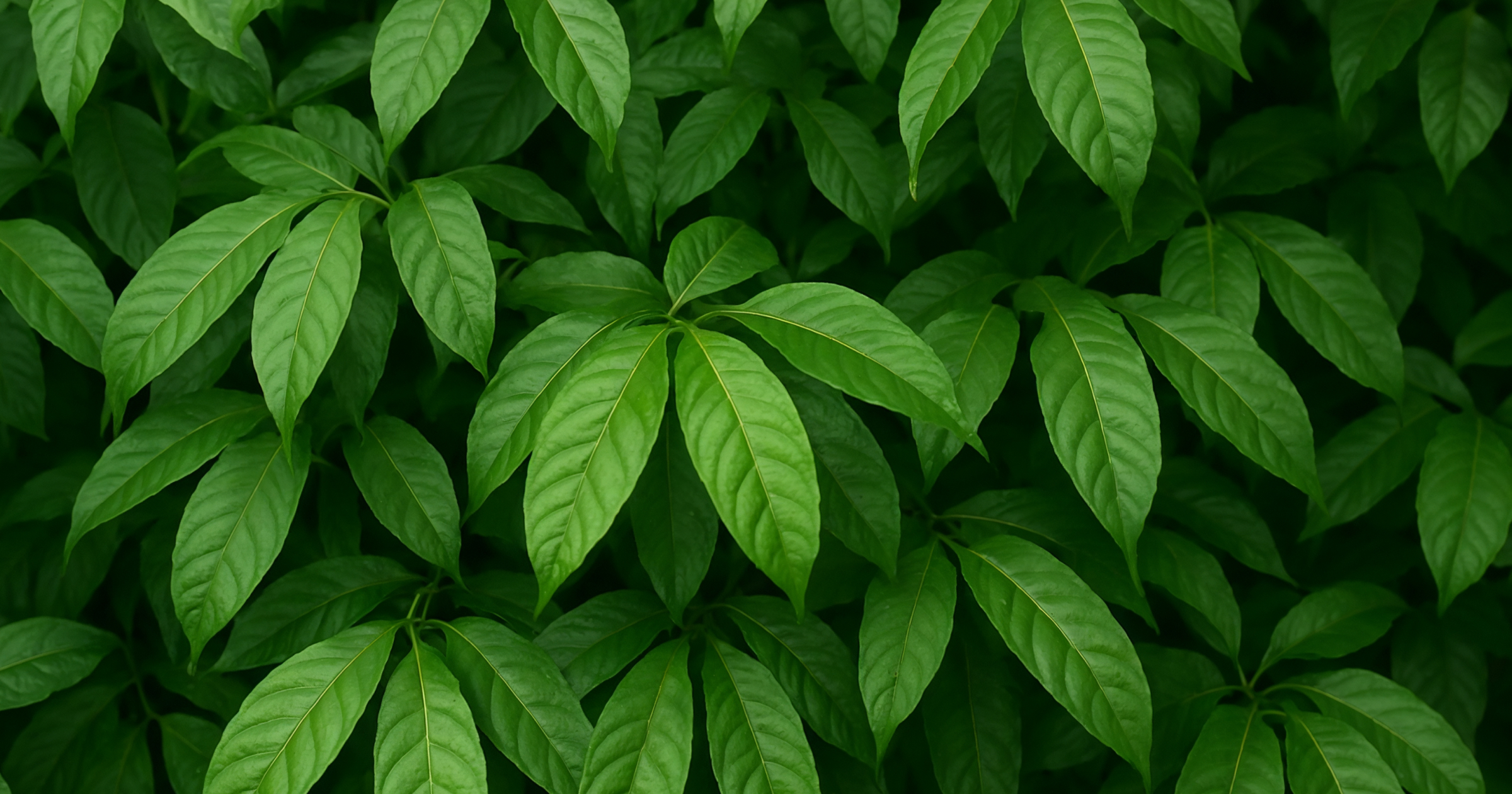
Ulam Tenggek Burung (Melicope ptelefolia) is a traditional Malaysian herb enjoyed for generations. Its extract has shown remarkable potential in soothing eczema symptoms and protecting the skin.

Eczema & Skin Allergy
3 mins read
Skin Microbiome & Eczema
Did you know your skin is home to billions of tiny microorganisms? Just like the gut, your skin has its own ecosystem — a skin microbiome — that plays a crucial role in protecting, balancing, and nourishing your skin.

Eczema & Skin Allergy
4 mins read
COVID-19 And Eczema
Research from multiple studies shows a significant rise in eczema and skin sensitivity after the COVID-19 pandemic — even among people who never had skin issues before.