
Understanding the Different Types of Eczema
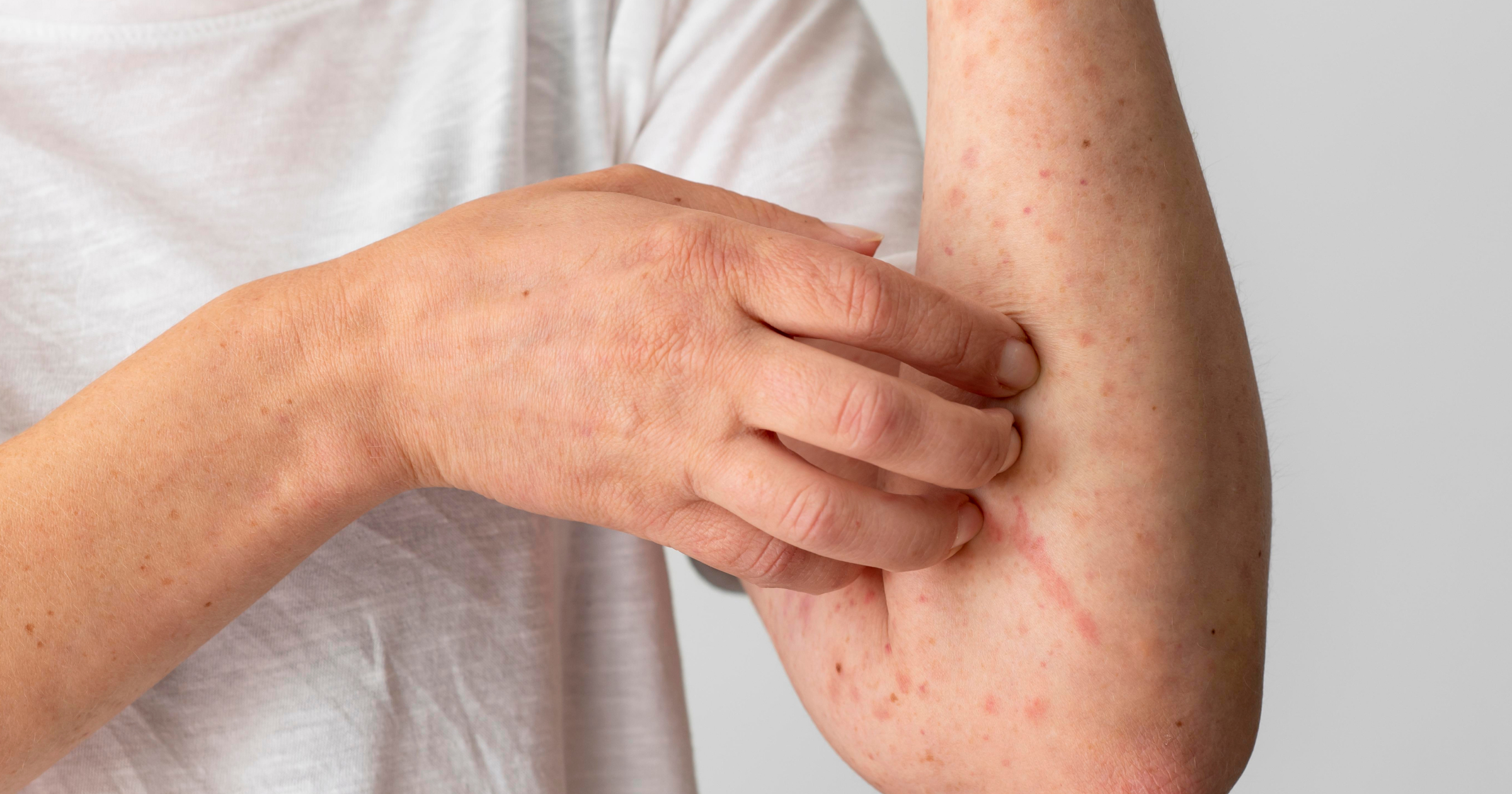
Eczema is one of the most common skin conditions around the world. It causes the skin to become dry, itchy, inflamed, and sometimes painful. You might notice rashes, rough patches, or even blisters when eczema flares up.
This condition isn’t rare—about 1 in 5 people in developed countries experience eczema at some point in their lives. It’s especially common in children, but adults can get it too.
Eczema isn’t just one single disease. In fact, there are several different types, each with its own triggers and symptoms. Let’s take a look at the most common ones categorized according to their causes:
1. Contact Dermatitis
This happens when your skin reacts to something it touches. Common culprits include detergents, bleach, jewelry, latex, or even certain skincare products. Symptoms include:
- Red, itchy skin
- Burning or stinging sensations
- Rashes or hives
- Blisters filled with fluid
- Thick, leathery patches of skin
There are two main types:
- Irritant contact dermatitis – caused by harsh chemicals or substances that directly damage the skin.
- Allergic contact dermatitis – when your immune system reacts to something like metal or latex.
2. Photocontact Dermatitis
This type of eczema is triggered when a product or substance on your skin reacts to sunlight. Sunscreens, perfumes, or certain medications can sometimes cause this. Symptoms look similar to regular contact dermatitis: redness, itching, rashes, and peeling skin.
It comes in two forms:
- Phototoxic reaction – when the substance becomes irritating after sun exposure.
- Photoallergic reaction – when sunlight changes the substance, causing your immune system to treat it like an allergen.
3. Atopic Dermatitis
The most common form of eczema, especially in children. It usually starts early in life (between 2 months and 5 years old), but sometimes continues into adulthood.
It often appears:
- On the elbows and knees in adults
- On the scalp and cheeks in children
Doctors aren’t exactly sure what causes it, but it’s believed to be linked to a mix of genetics, environmental triggers, and a weak skin barrier.
4. Asteatotic Eczema (Xerotic Eczema)
This type is most common in older adults and tends to worsen in dry, cold weather. The skin may look cracked, almost like broken porcelain, and feels very itchy.
It usually happens because of a weakened skin barrier, often triggered by:
- Low humidity (dry air)
- Overheating indoors
- Taking too many hot baths
- Using harsh soaps that strip natural oils from the skin
5. Stasis Dermatitis
This type mostly affects the lower legs. It happens when poor circulation causes fluid to build up in the tissues, leading to swelling. Over time, this can irritate the skin and cause:
- Itching and redness
- Scaling or thickened patches
- Darkened skin (hyperpigmentation)
It’s most common in people with long-term vein problems or leg swelling.
Final Thoughts
Eczema can look different depending on the type, but the common thread is that it makes skin irritated, itchy, and uncomfortable. While eczema isn’t contagious, it can be frustrating to deal with.
Identifying the cause of your eczema is one of the best ways to manage flare-ups and reduce symptoms. Avoiding known triggers, strengthening your skin barrier, and moisturizing regularly can go a long way toward keeping your skin healthy and comfortable.
— Trusted by 100+ Users
Your Journey to Calm Skin
Discover science-backed solutions designed to soothe, protect, and restore skin from within and beyond.
Related Article
Natural Skin Care
3 mins read
Part 3: Topical vs Oral Ceramides — Which One Does Your Skin Really Need?
If you’ve read the earlier parts of this series, you already know how important ceramides are for a strong and healthy skin barrier. They keep your skin hydrated, smooth, and resilient — and low levels can lead to dryness, sensitivity, and eczema flare-ups.
Eczema & Skin Allergy
3 mins read
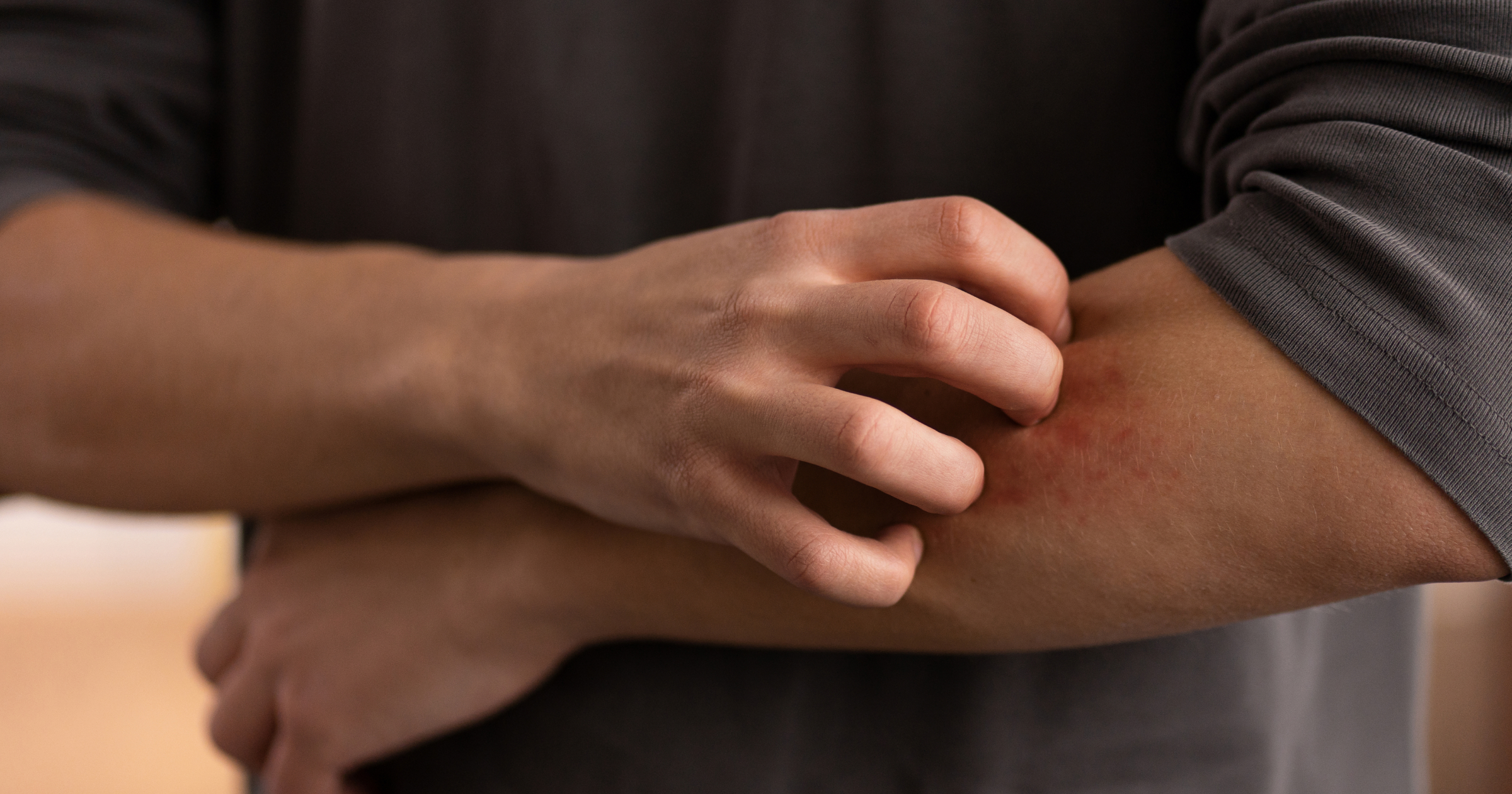
Itch-Scratch Cycle in Eczema - How to Break It?
If you have eczema, you probably know the worst part isn’t just the dry or red skin—it’s the relentless itch.
Eczeva® Ingredients
3 mins read
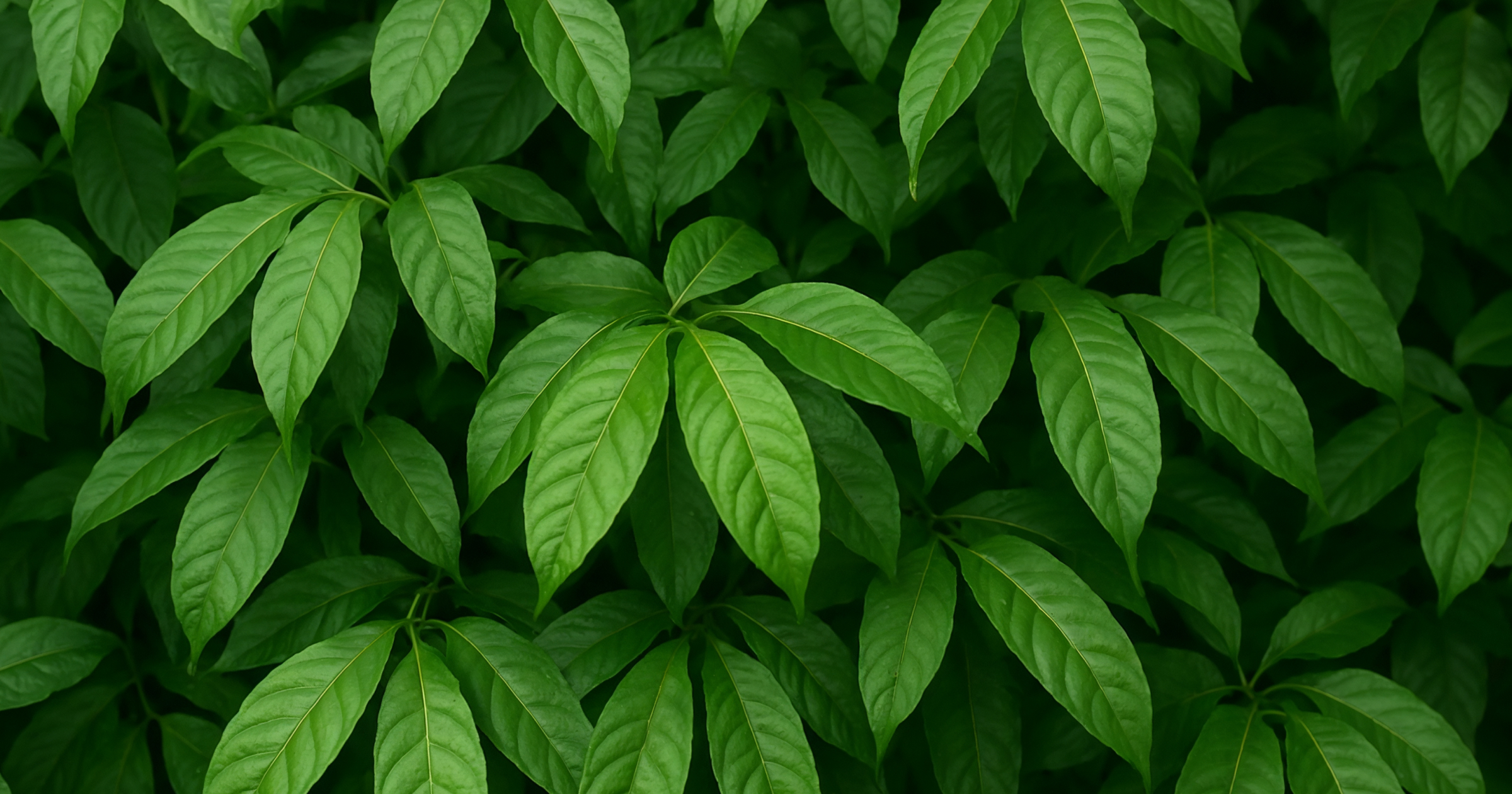
Ulam Tenggek Burung Extract: The Science Behind ECZEVA®’s Breakthrough Ingredient
Ulam Tenggek Burung (Melicope ptelefolia) is a traditional Malaysian herb enjoyed for generations. Its extract has shown remarkable potential in soothing eczema symptoms and protecting the skin.